How This Year’s Take Flight Dyslexia Therapist Graduates Found Their Purpose
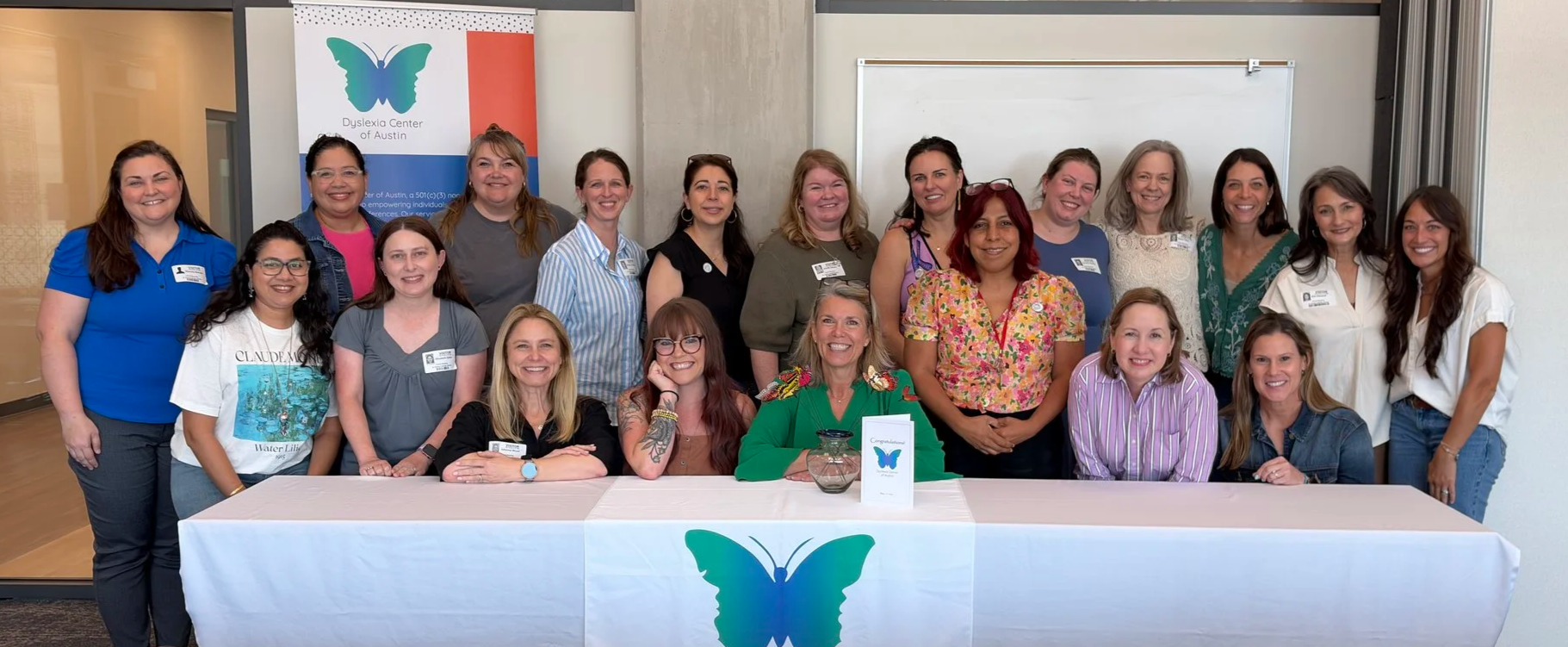
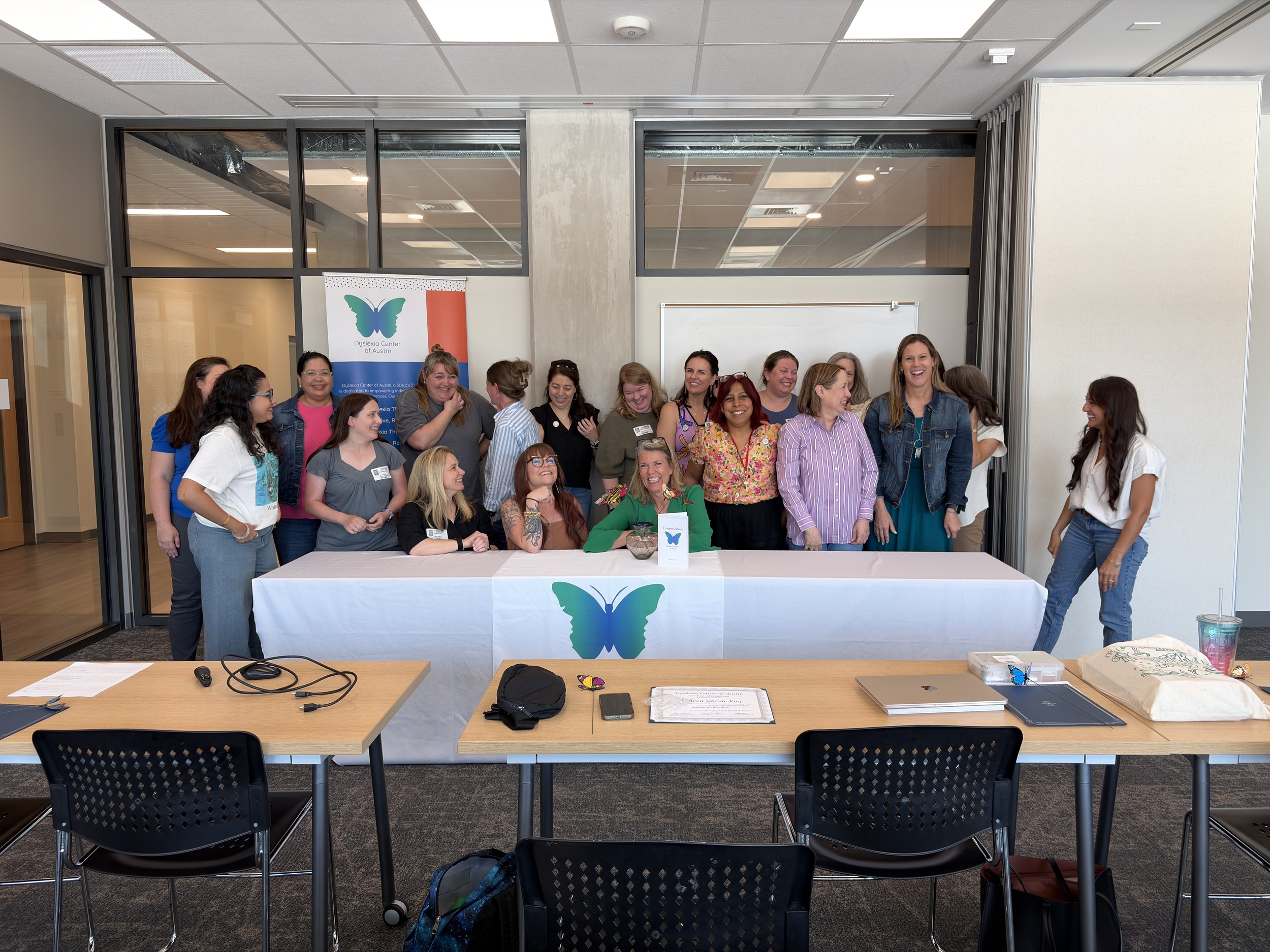
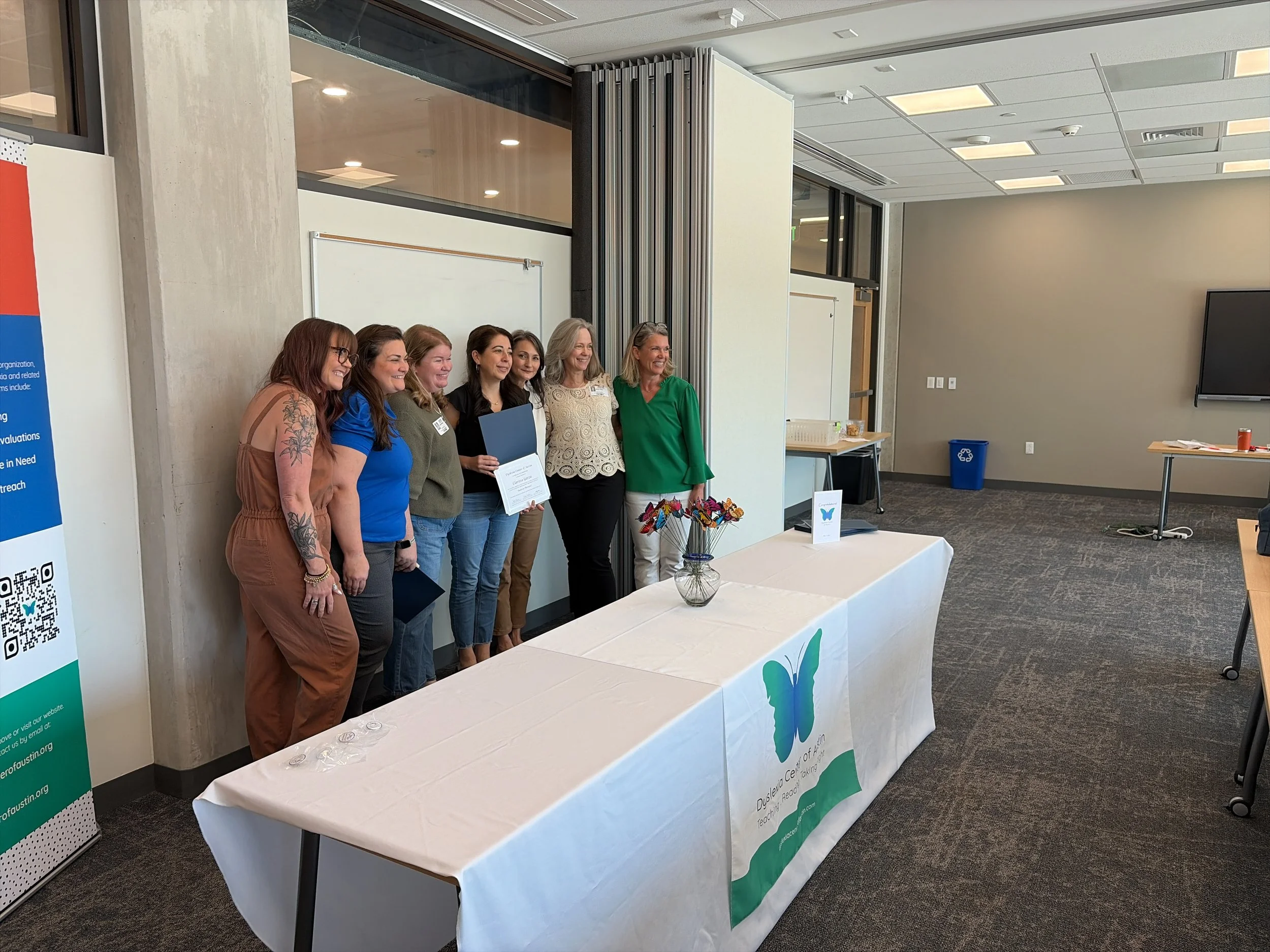
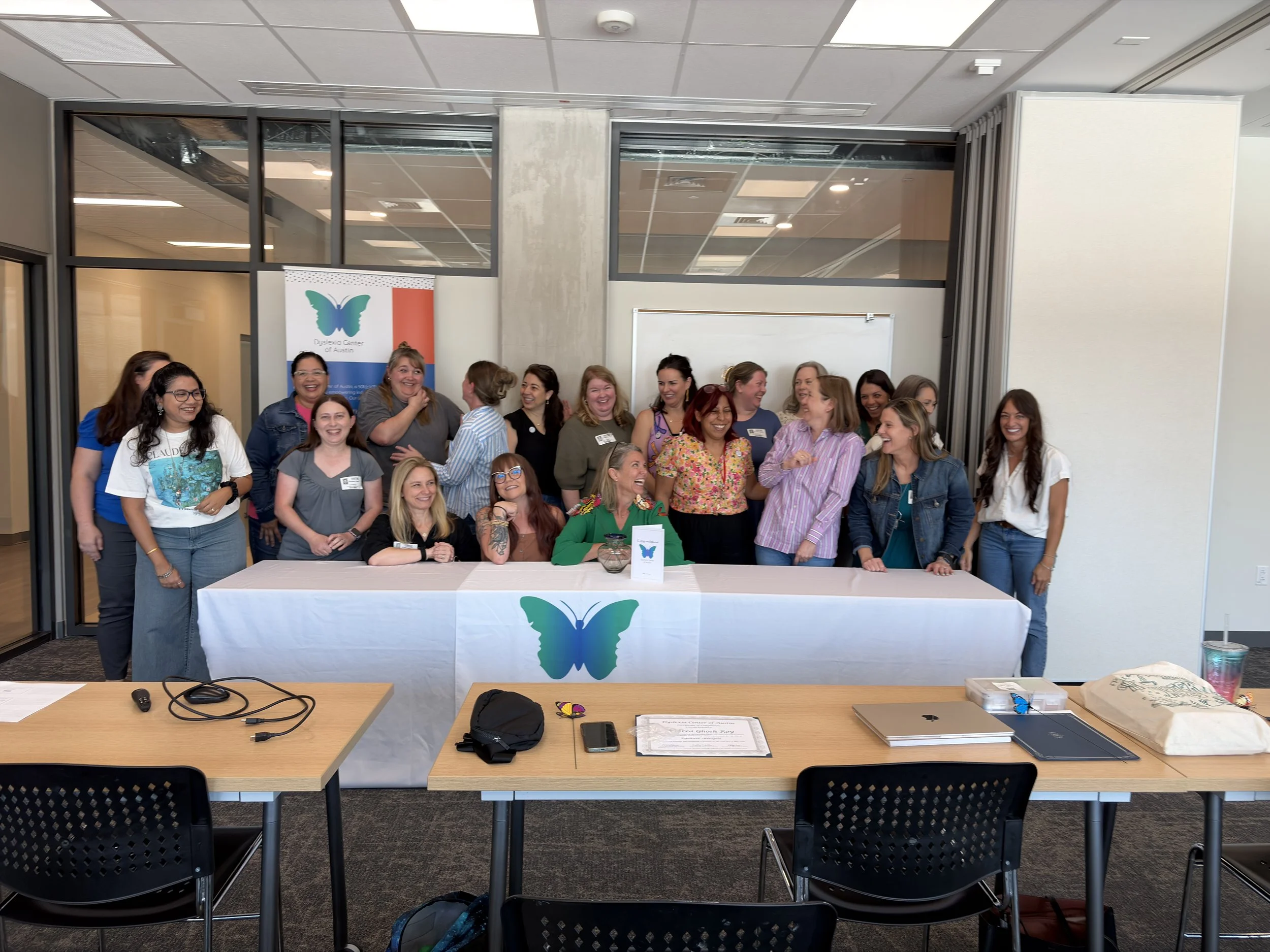
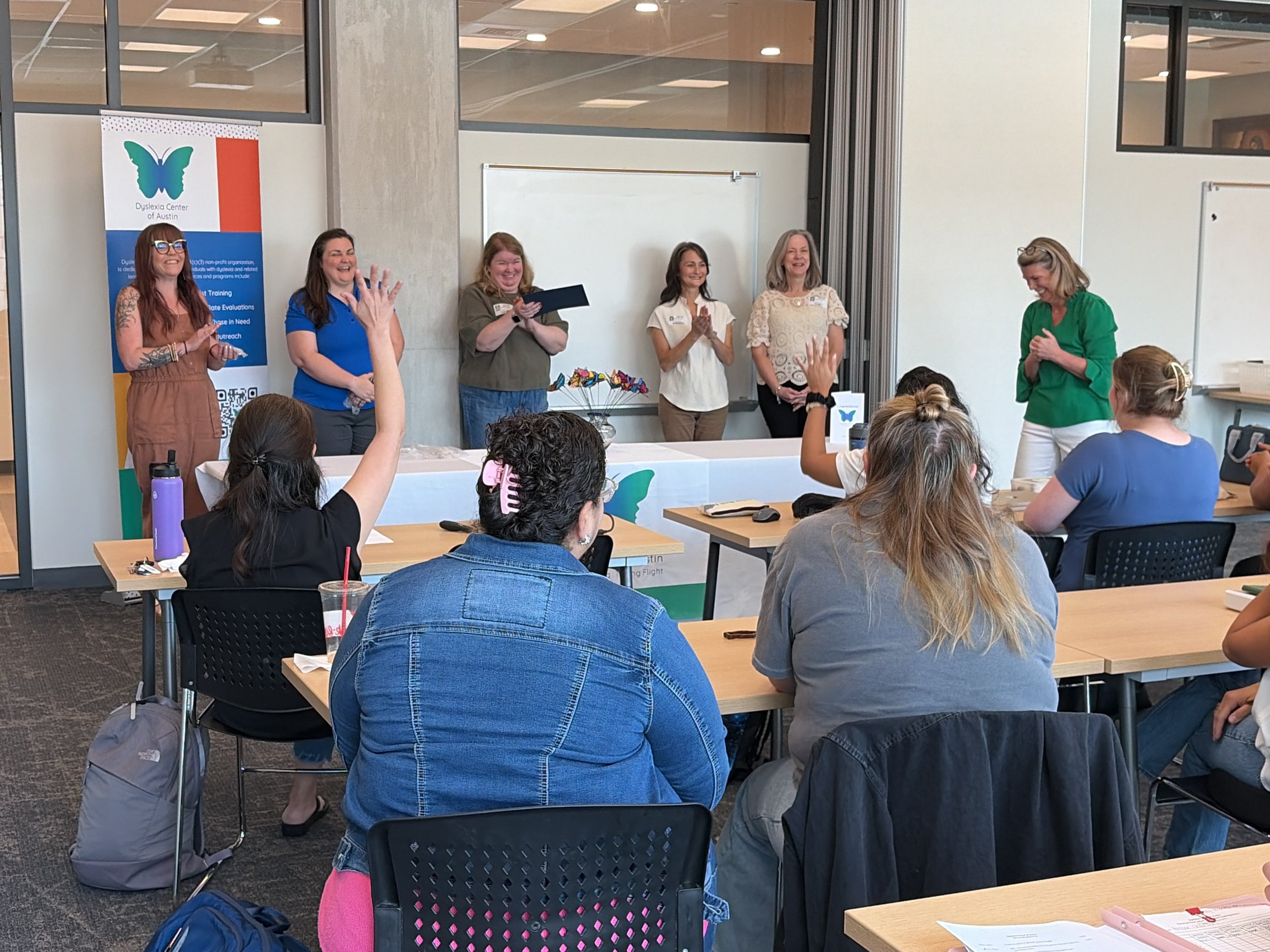
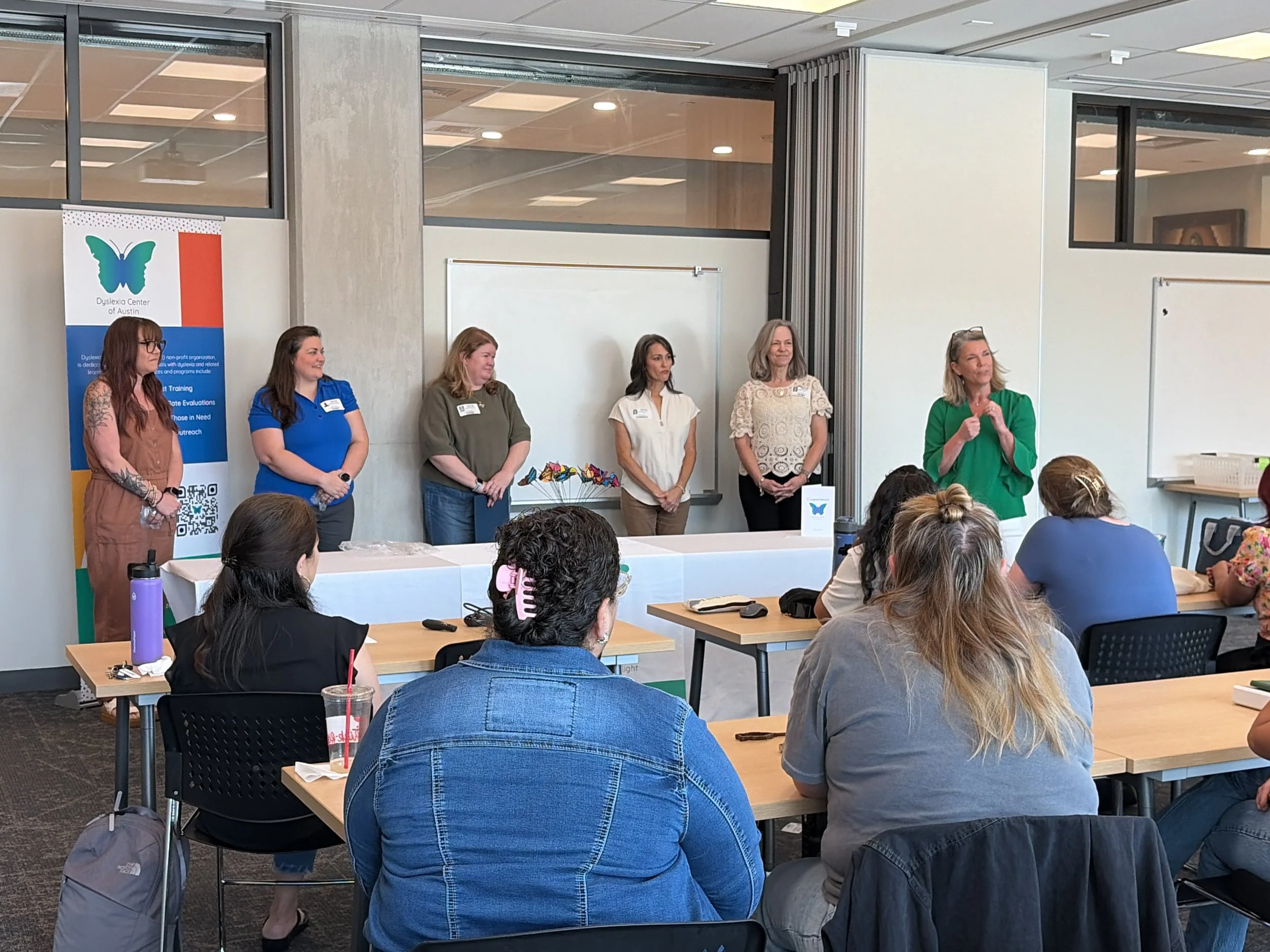
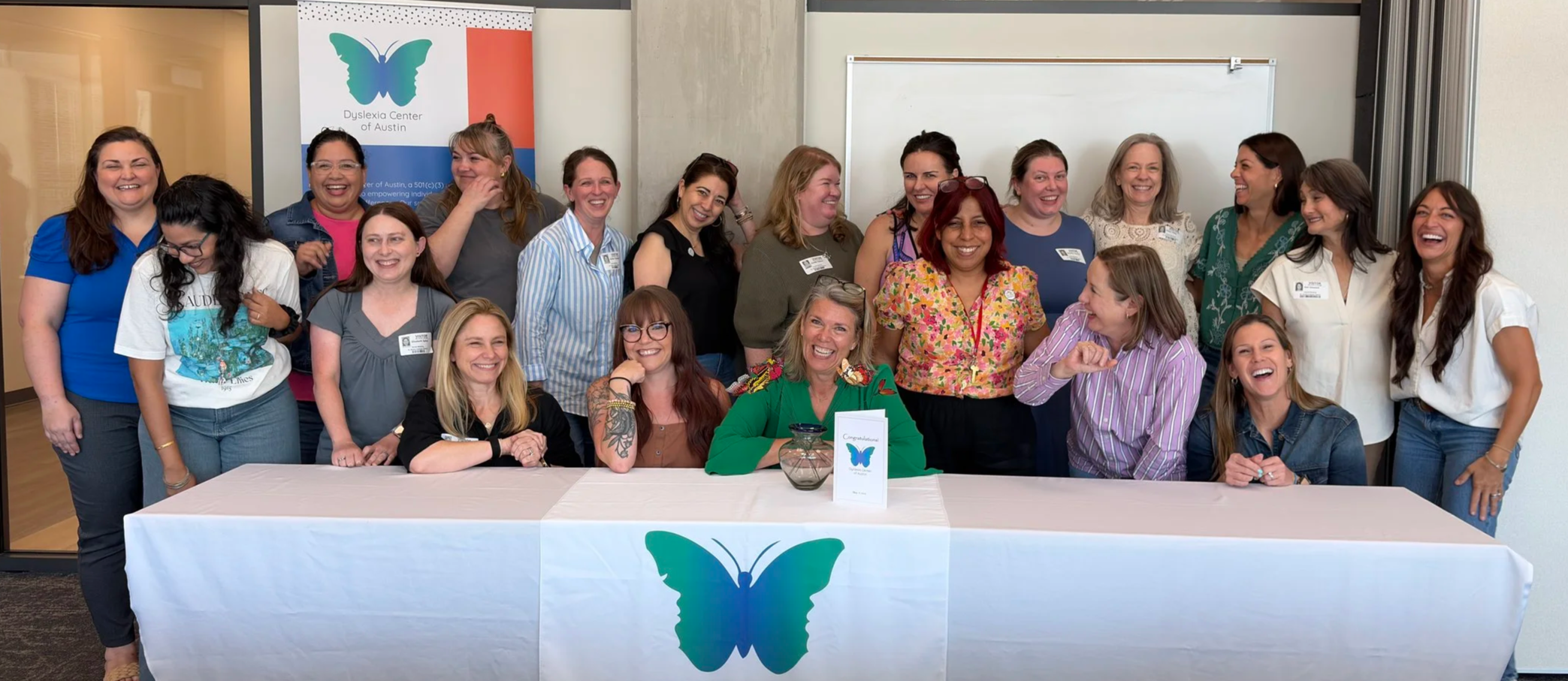
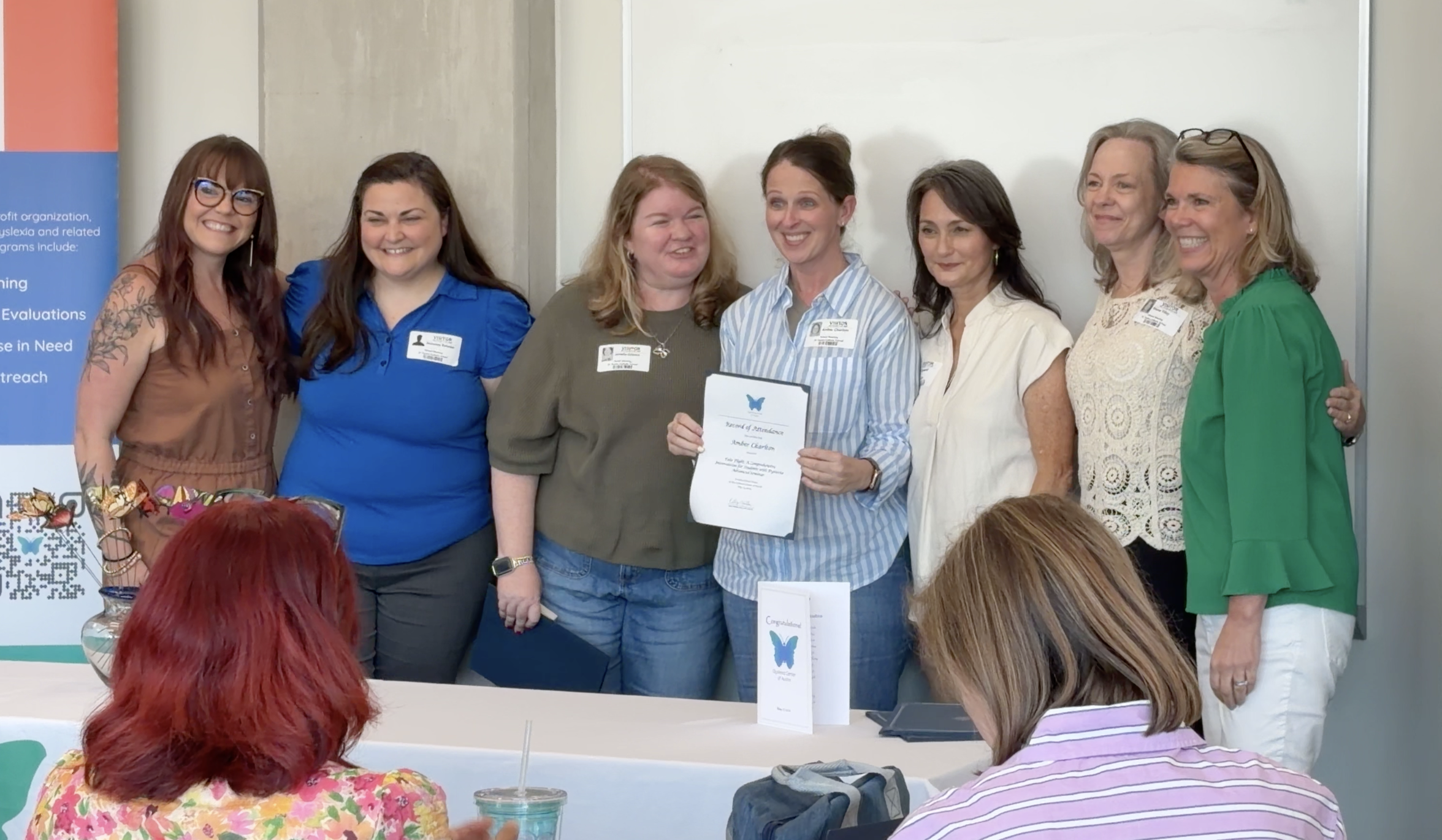
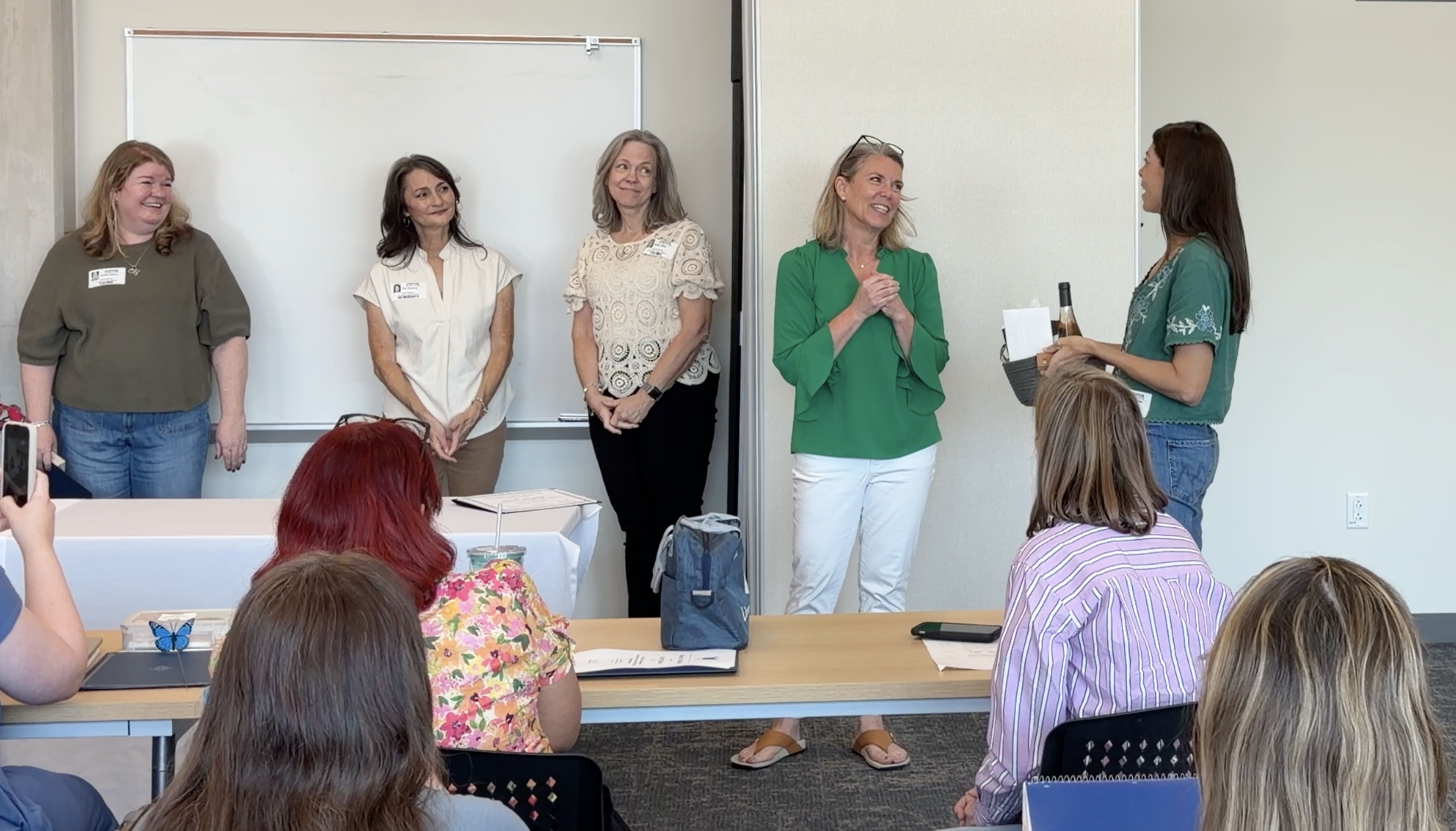
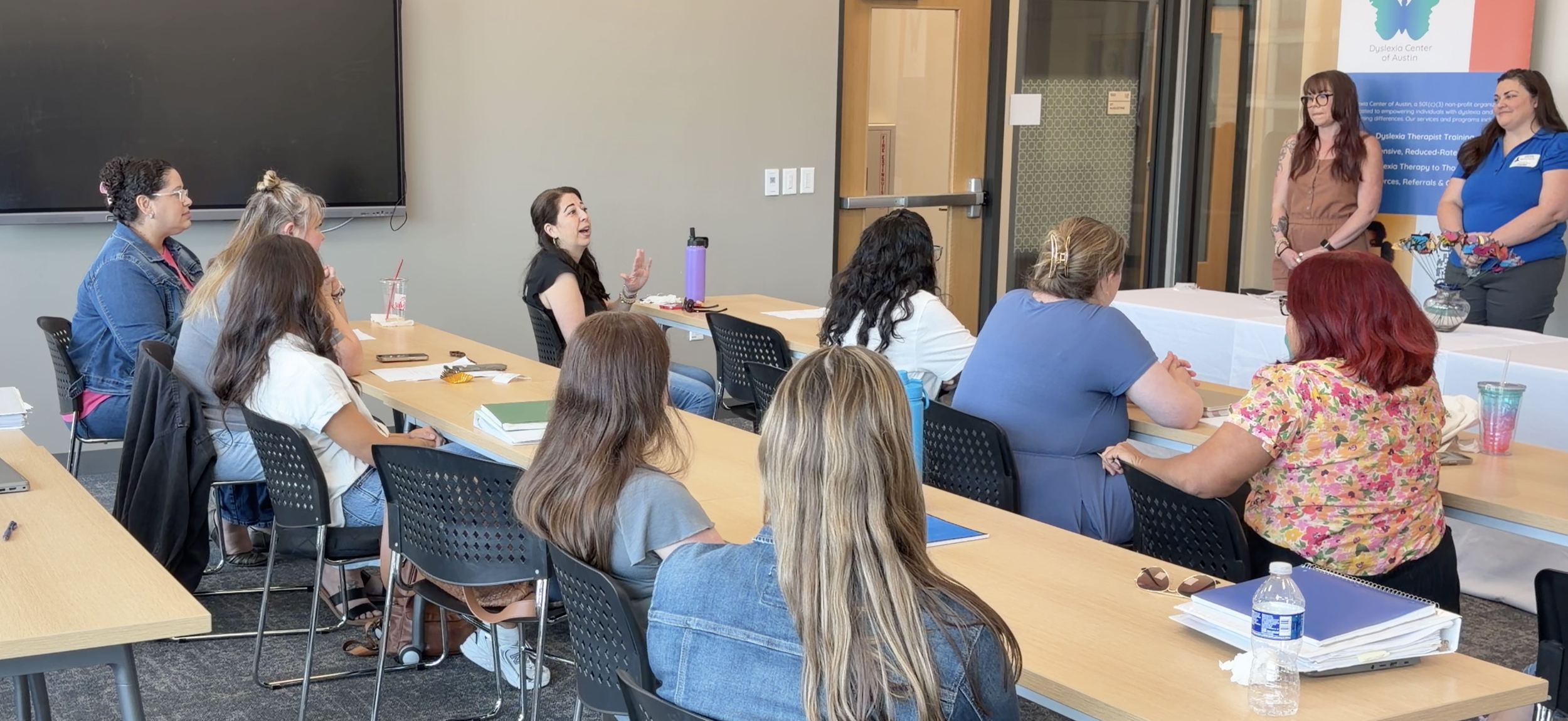
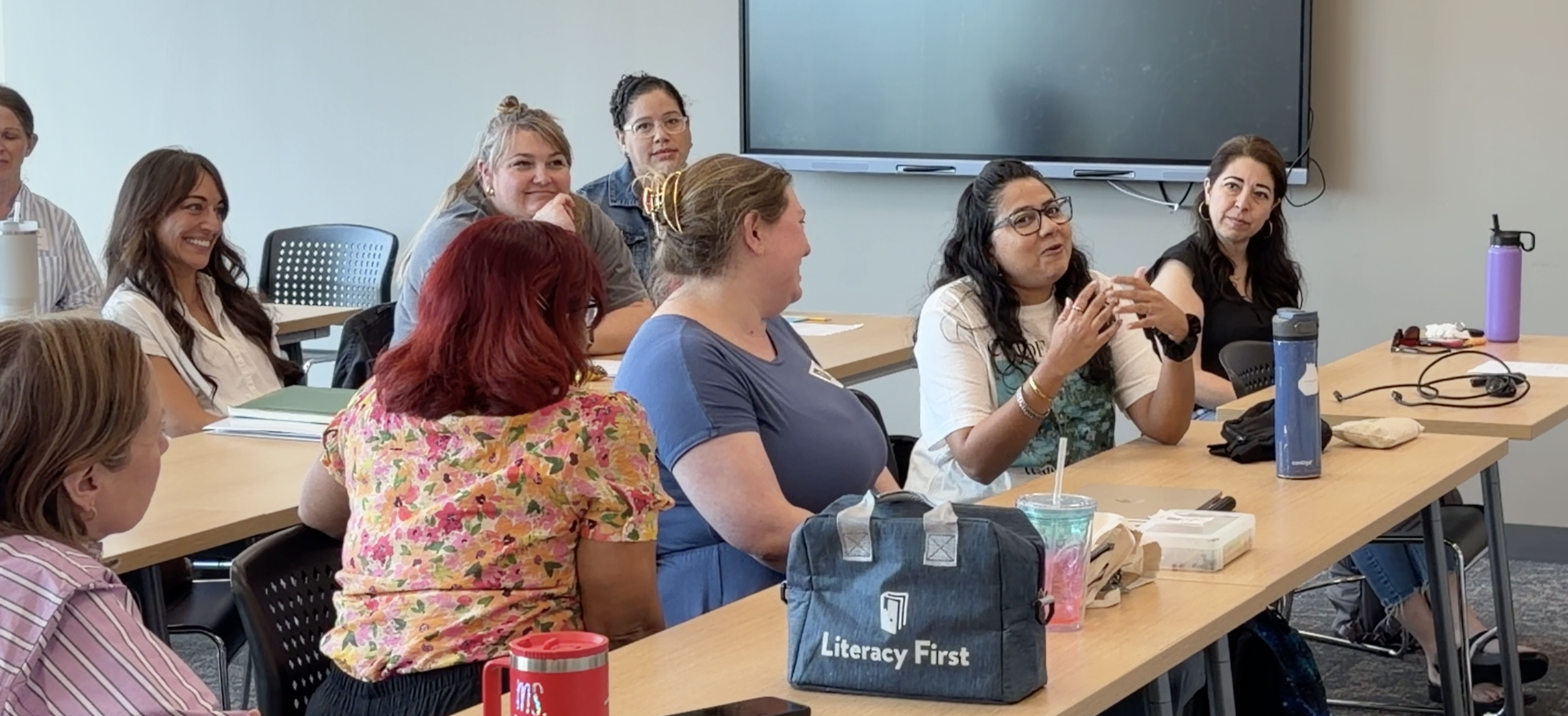
On May 15, 2026, the Dyslexia Center of Austin celebrated the newest graduates of its Take Flight Dyslexia Therapist Training Program. Their two-year journey began in the summer of 2024. Here’s what they had to say about where it took them.
“I came here a concerned parent. I’m leaving here as an educator.”
It started, as it often does, with a child who was struggling.
For Charlotte Blanch, one of the educators who walked across the stage on May 15, the decision to enroll in the Dyslexia Center of Austin’s Take Flight Dyslexia Therapist Training Program wasn’t about professional development or career advancement. It was personal. Her own child had been denied access to the Take Flight curriculum through the school system, and something broke open inside her.
“I said, I’m never going to let that happen to anybody’s kid,” she told the room. “I came here for the concern for a lot of kids, not just my kid. If it happens to one, it happens to many.” She paused. “I came here as a concerned parent. I’m leaving here as an educator.”
She wasn’t the only one who had entered the program in the summer of 2024 with a deeply personal reason to be there. Elisabeth Sykes is a parent of two children with dyslexia.
Before training, she sat in ARD meetings nodding along, not fully understanding what was being discussed. Two years later? She pushes back. She asks the hard questions. She’s become the person friends call when they suspect their own child might need an evaluation.
“Before, I was just like…yes, yes, yes,” she said. “Now I can actually talk more, discuss more, understand what they’re saying—and push back when I need to.”
“This has completely changed the course of my whole life.”
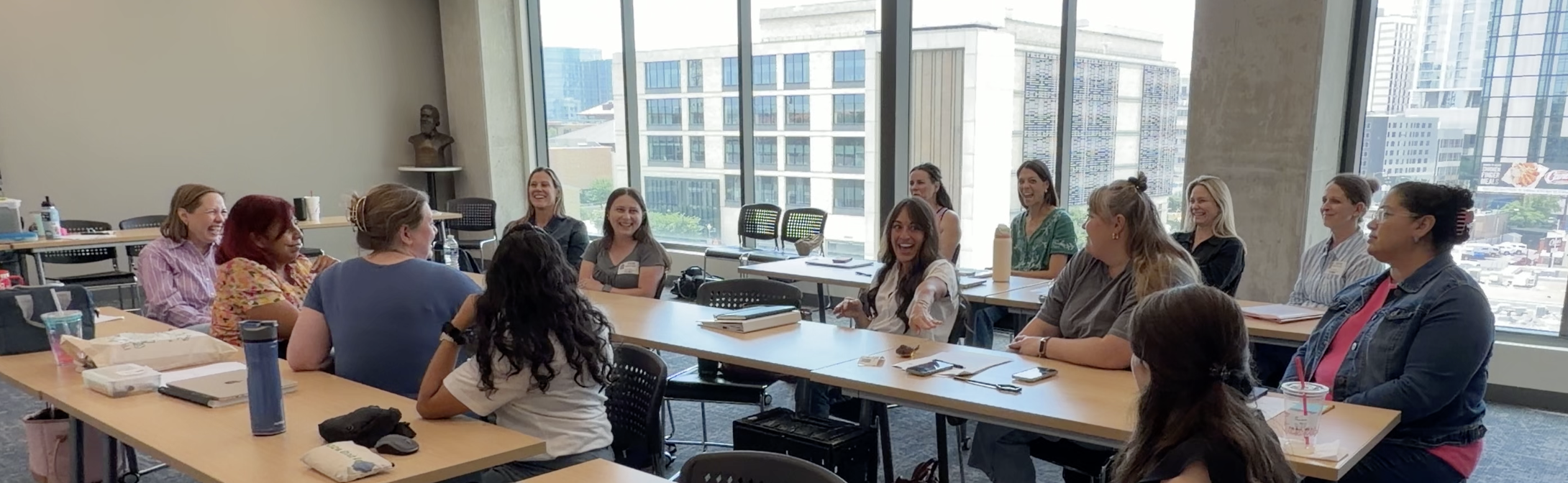
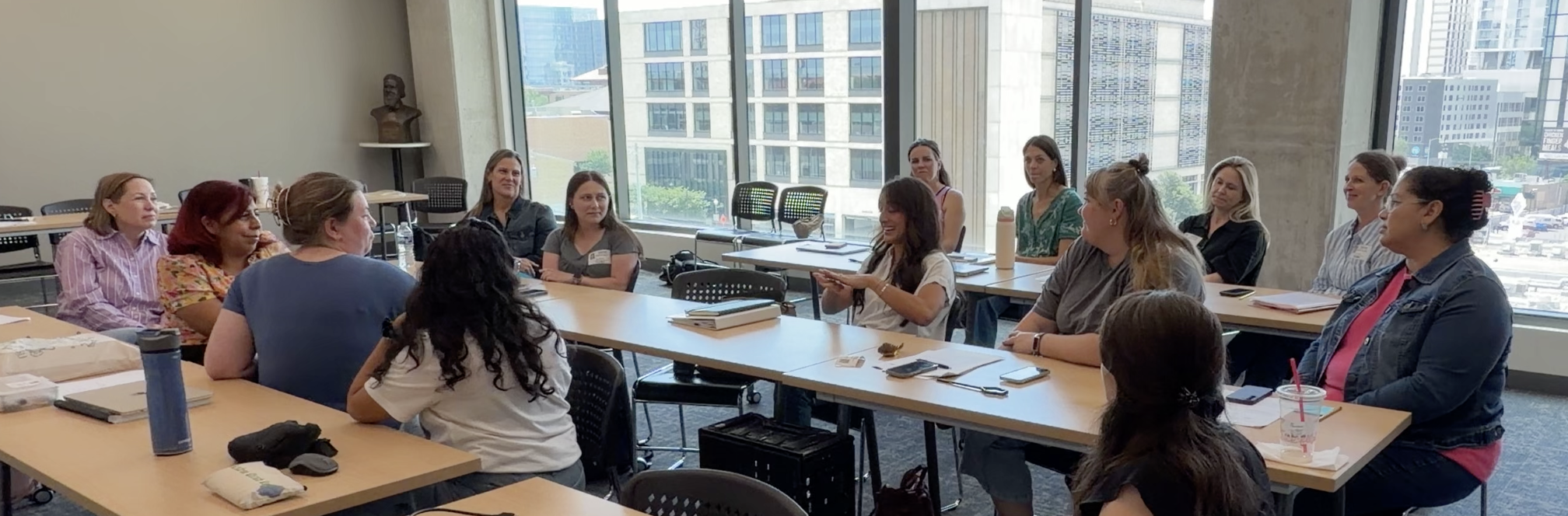
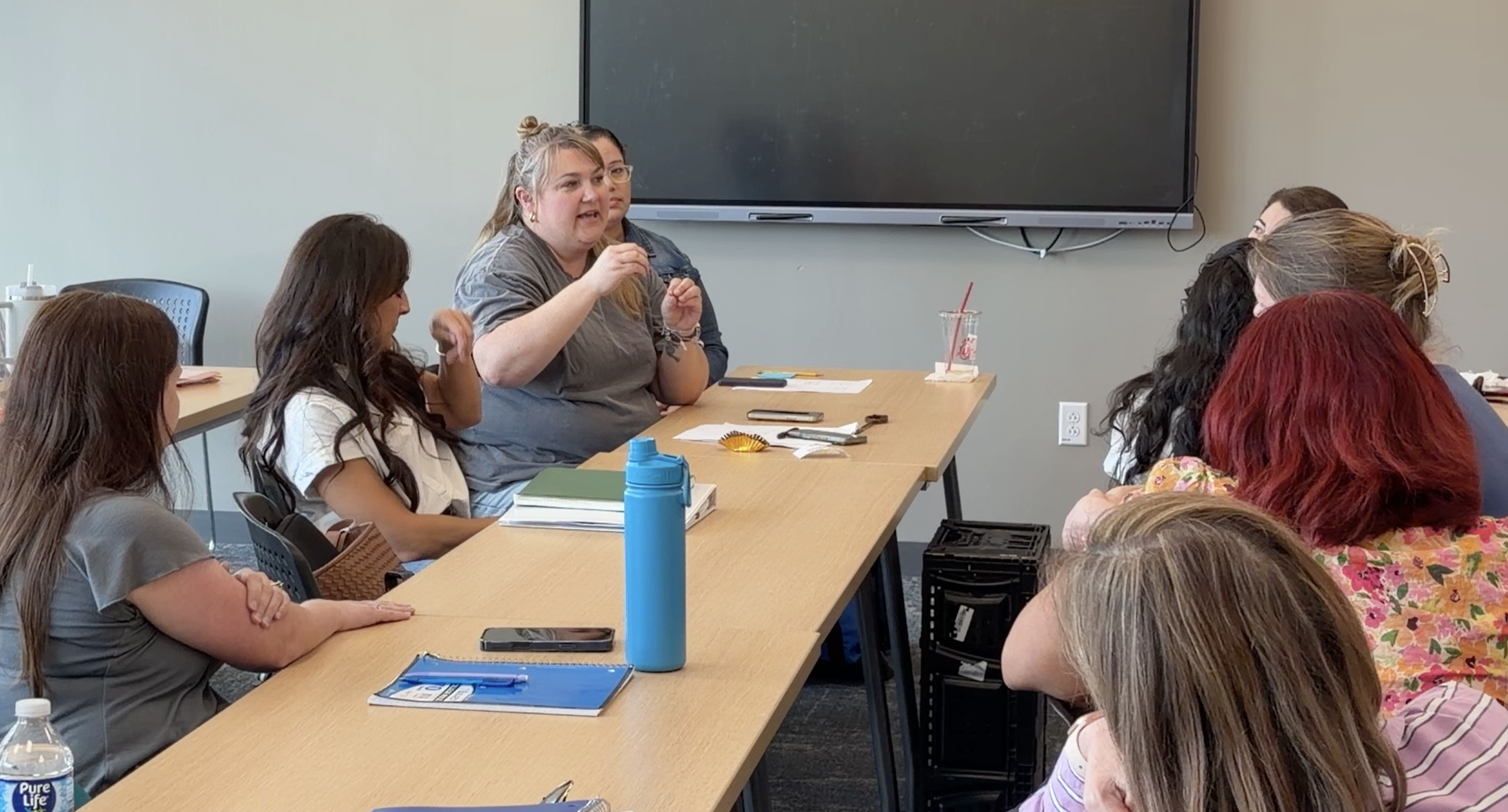
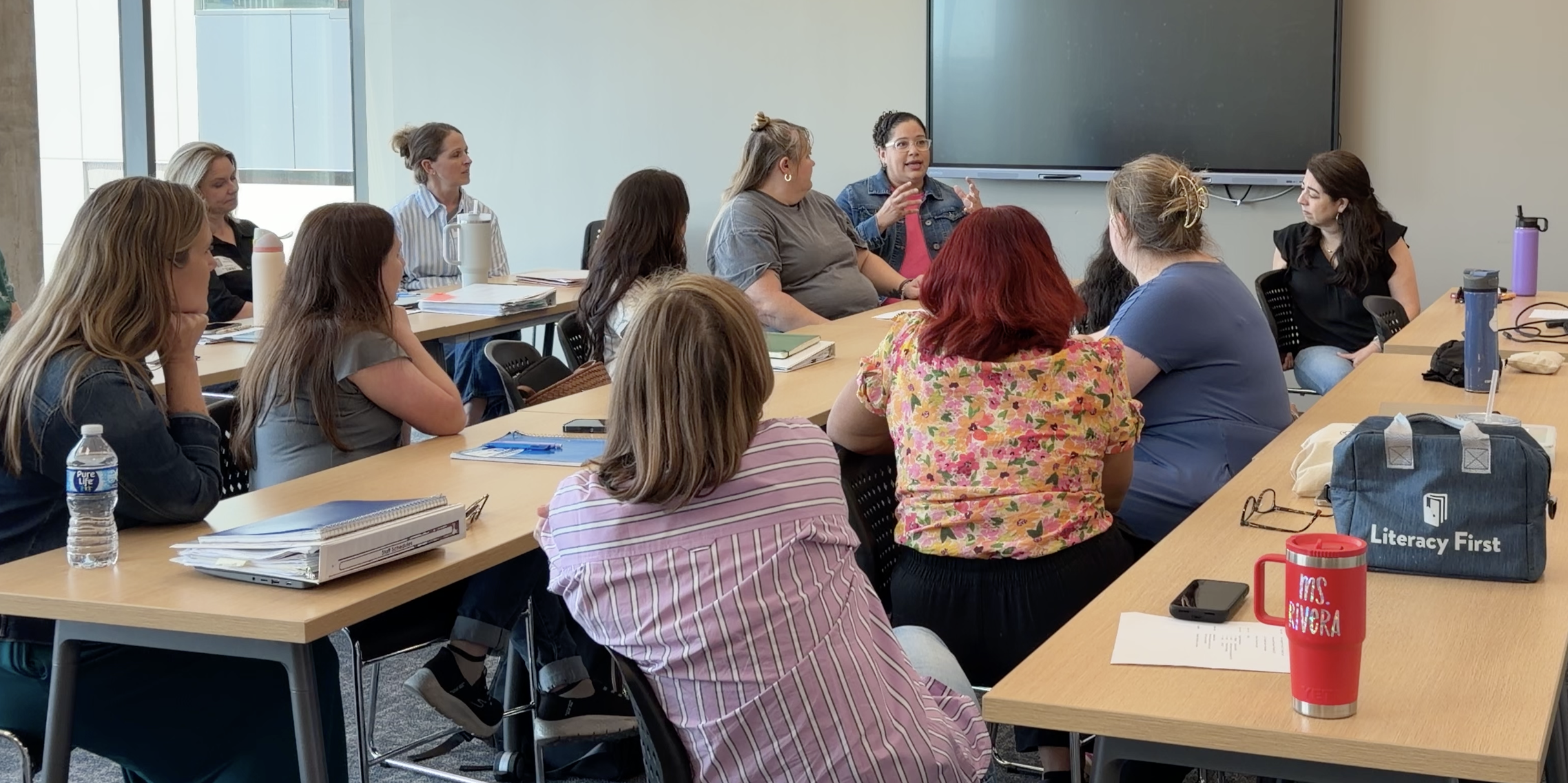
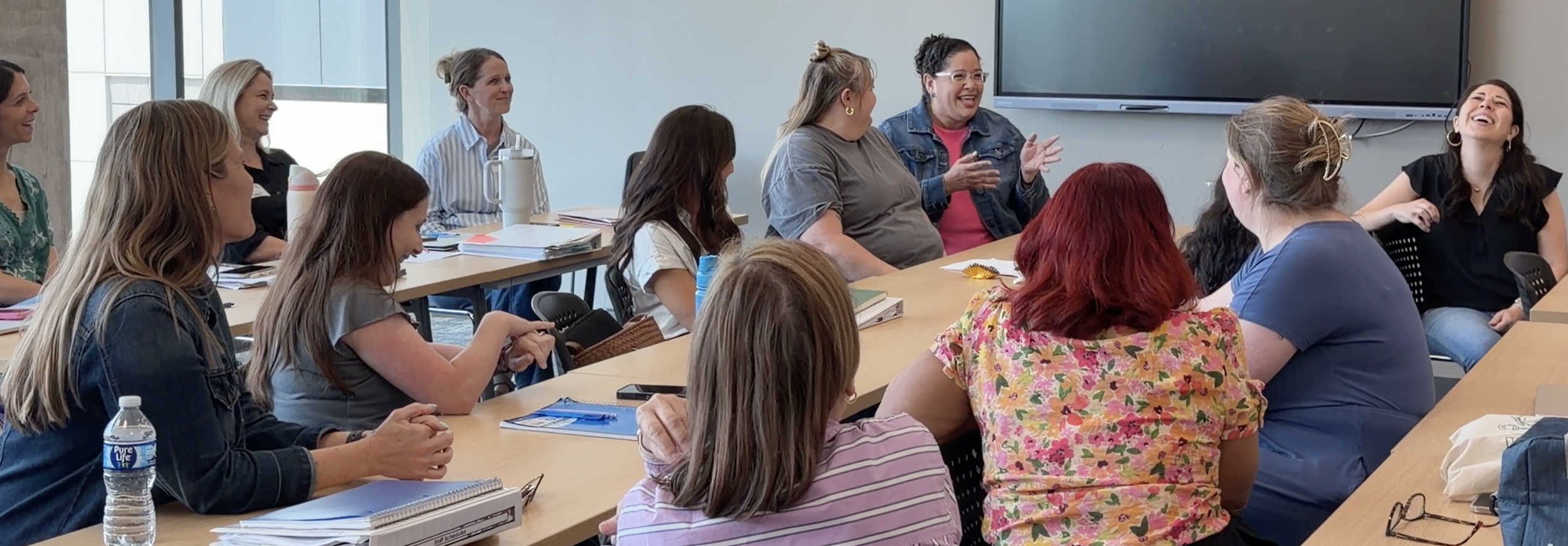
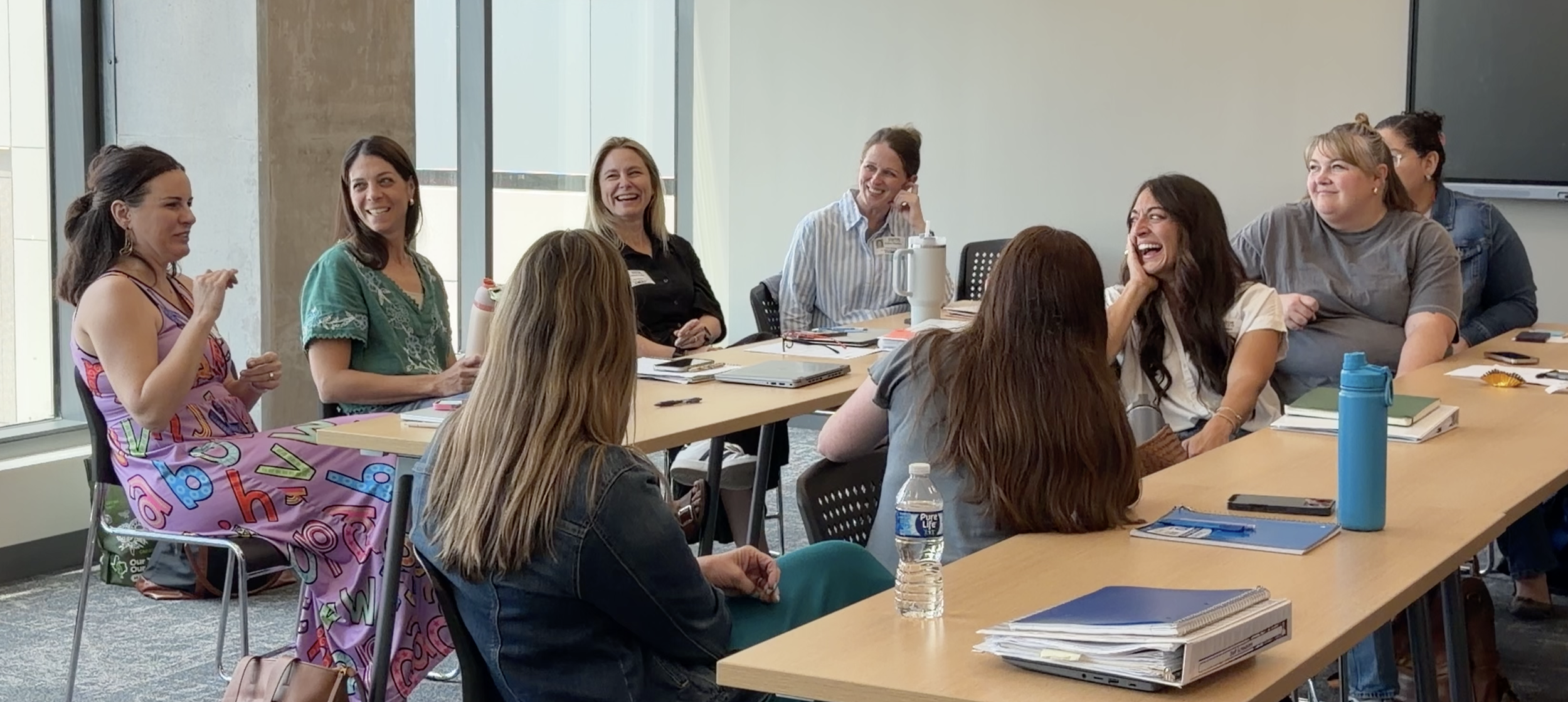
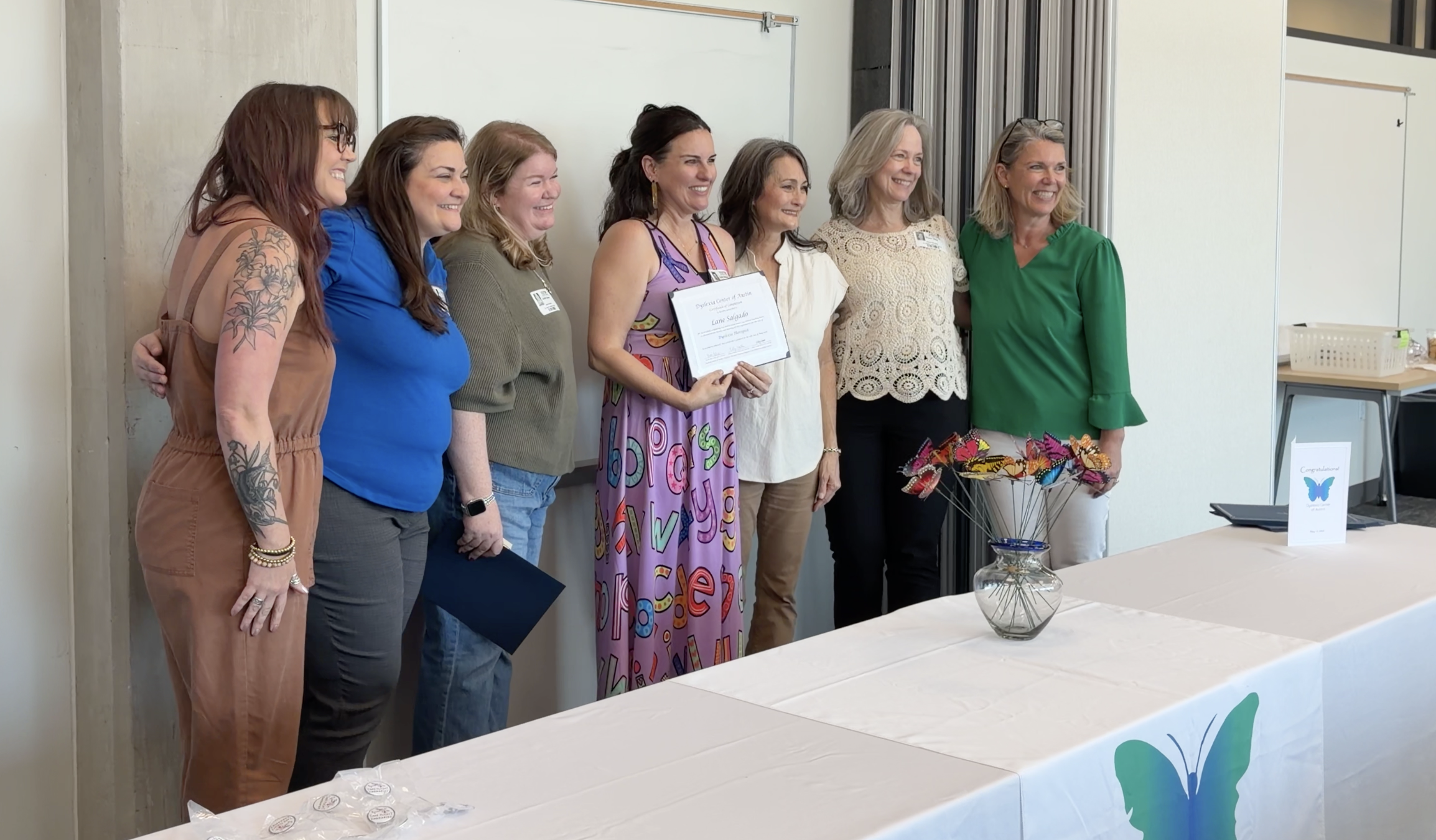
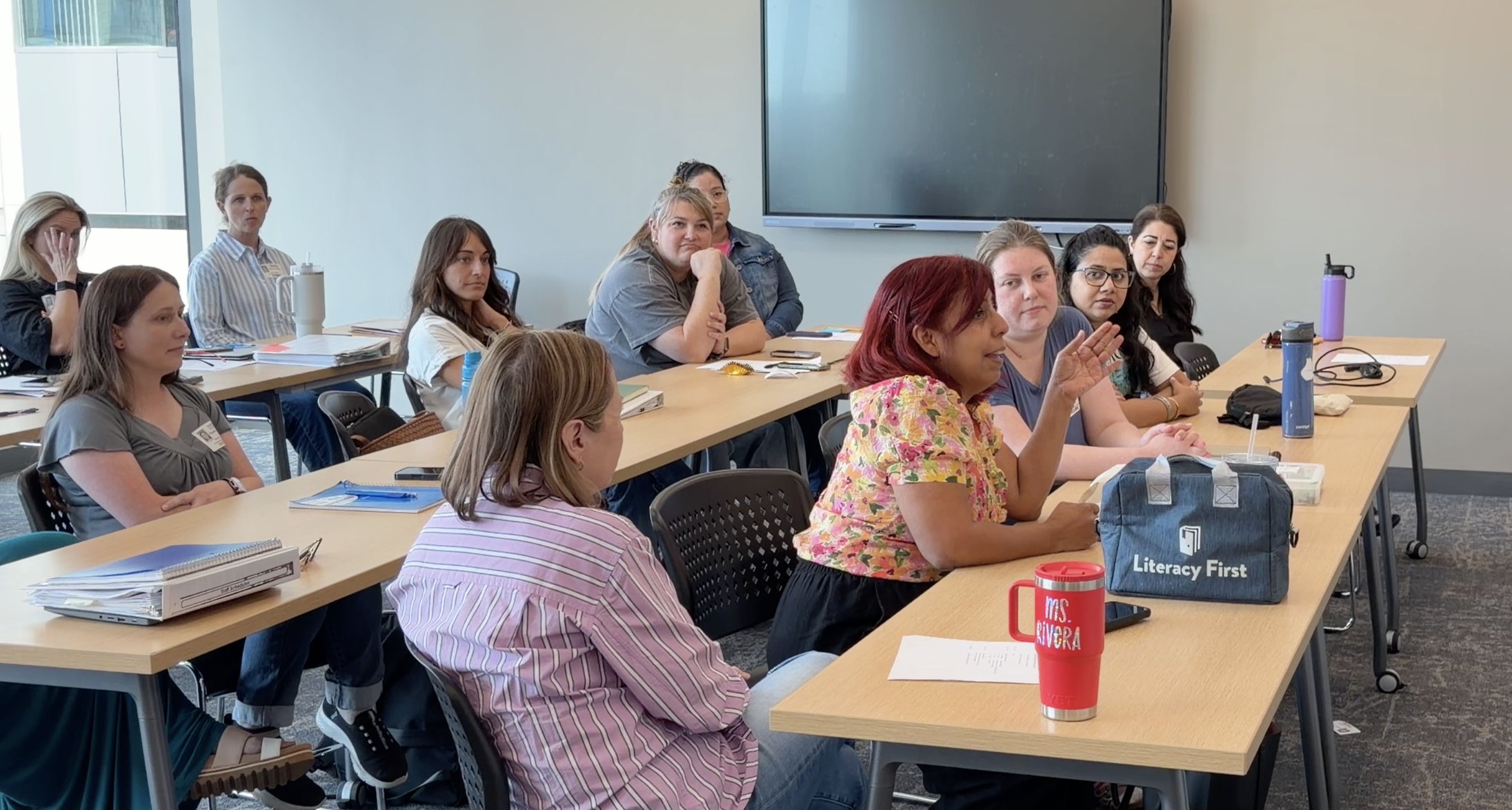
Not every graduate arrived with a personal connection to dyslexia. Some came because they saw something in their classrooms they couldn’t explain—and couldn’t ignore.
Jennifer Sturley, as a classroom teacher, watched her students leave for Take Flight dyslexia therapy and return performing at levels that surprised her. “They know more than my kids, who are not dyslexic,” she recalled thinking. “I need to learn what you’re teaching them so I can do that.”
She enrolled. She completed the full two-year program. And what she learned set her on a trajectory she never anticipated—Ph.D. program in special education at UT Austin.
The moment that crystallized it came through a text message from a parent. The student, near the end of the Take Flight curriculum, casually identified a Greek combining form at the dinner table. The mom texted that night: she’d been on the fence about completing the last few Take Flight lessons in the summer, but after hearing her daughter break down a word with such confidence, she knew they needed to finish.
“This has completely changed the course of my whole life,” the graduate said.
“At First, It’s Intense”
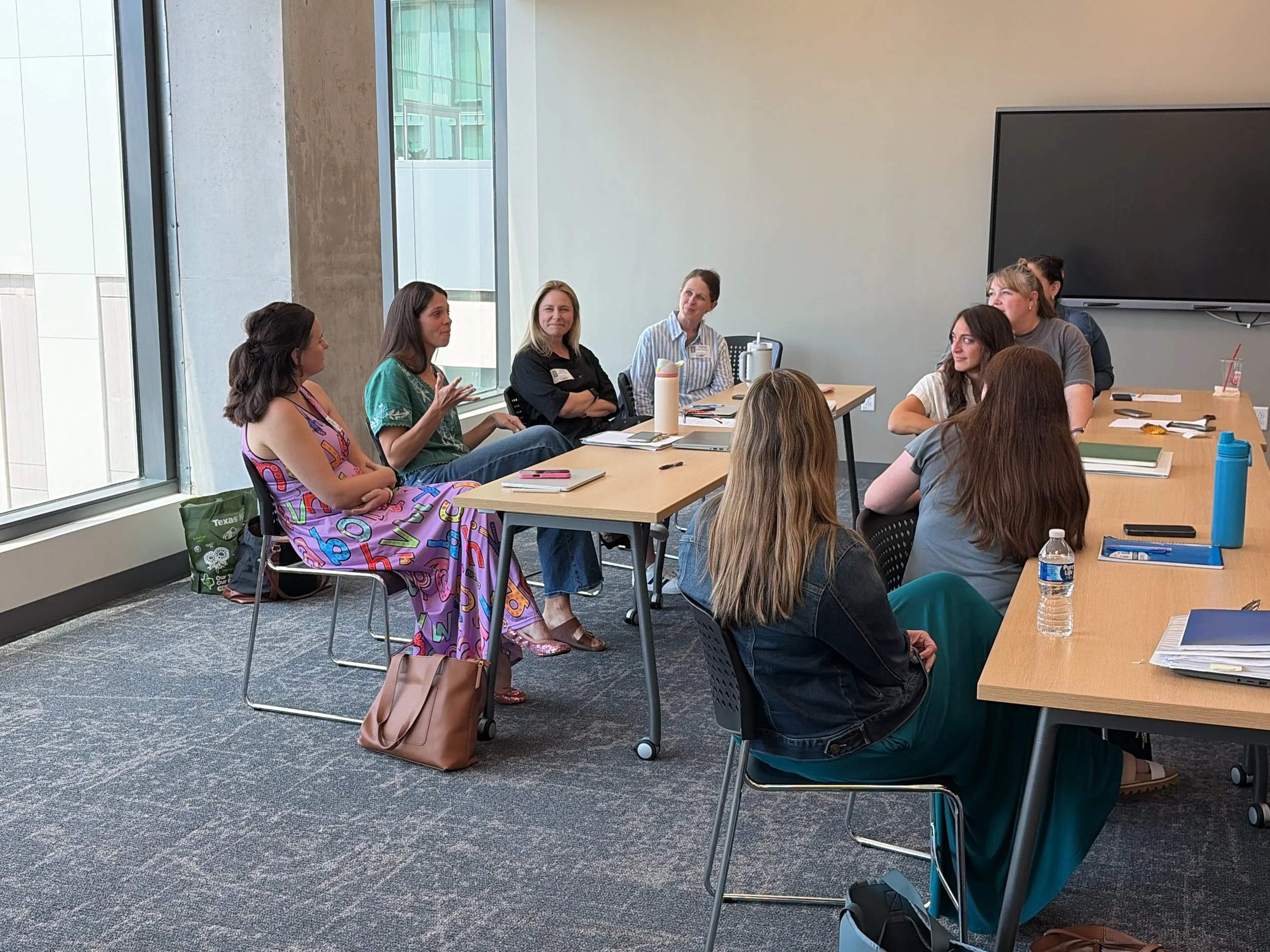
Ask any Dyslexia Therapist graduate about the beginning of their training, and you’ll hear a version of the same story: the first three weeks of the introductory summer course were intense.
“After our summer session, I said to myself, ‘You’re crazy. What did you do?’” Andrea Ghosh Roy admitted with a laugh. But she credits her cohort—and the friends who encouraged her to apply—with pulling her through. “They told me, ‘Do it. It’ll change your life.’ And they were right.”
Another graduate, Carly Martinez, came in with no background in the science of reading at all. Her principal had asked her to join the program, and she agreed without fully understanding what she was walking into. “I came in completely blindfolded,” she said. “I was in secondary education. I didn’t have any groundwork in phonics. Literally, I didn’t know what anything was when I came here.”
It didn’t click until her second year of training. But when it did, the results followed. One of her students—a girl newly diagnosed with dyslexia and ADHD—jumped 50 words read correctly per minute on reading assessments between fall and winter. “That was the biggest motivation for me,” she said. “I officially love what I’m doing.”
For all the emotion in the room on Graduation Day, the numbers were equally compelling.
Johannah Mosel shared that a student who began the program reading 33 words correct per minute is now at 115. When she showed the data to the child’s parents, the father stopped her mid-sentence.
“Did you just say he went from 33 words to 115?” he asked.
“Pretty cool, right?” she responded.
That kind of measurable progress is what the Take Flight curriculum is designed to deliver, and what Dyslexia Center of Austin graduates are trained to document, present, and use to advocate for their students.
Clarissa Garza feels empowered with a greater depth of knowledge to teach with confidence, provide diagnostic and therapeutic instruction, analyze the data, and fight for what children with dyslexia need and deserve.
"Thank you for teaching me, being patient with me, and getting us there…because ‘Wow!' The ripple effect and the impact have really touched me personally. When you see the data and live it, you are able to articulate it in meetings and advocate for students. When a diagnostician says that a child is not going to qualify for dyslexia, I am able to intelligently articulate and advocate for that child," said Clarissa Garza.
finding a renewed sense of purpose
One of the most striking stories came from Lane Salgado, a graduate who had spent years as a speech pathologist before stepping away for eleven years to raise her children. When she returned to education through a part-time reading position at her kids’ school, something felt incomplete.
“I could do it,” she said of the role. “But I didn’t feel like I was the expert in that stuff. And in not feeling like an expert, I didn’t feel like I was helping these kids as much as they deserved.”
Two years of Take Flight Dyslexia Therapist Training changed that. By her second year, the knowledge had become instinctive. “A student asked me about a derivative rule, and I just wrote it,” she said. “It just came out, as if I just knew it.”
The real breakthrough came when her group of second graders—small, shy, and quiet—reviewed their sound pictures entirely on their own for the first time. “Hearing their little second-grade voices doing it perfectly—I got teary. They brought me the box of tissues.”
She reflected for a moment. “They have so much potential, and not everybody sees that potential in them. I feel like this is my purpose now.”
“I have a reputation of being really spicy in ARDs. They call me the Accommodation Queen.”
Sarah Hayslip, a parent of children with dyslexia and ADHD, and an elementary school dyslexia interventionist, remarked on how this journey has positively impacted her personally and professionally.
“I see it from a parent point of view…and explaining to administrators who don't know it. It's the amount of exposures that they need. They're not lazy or all these misconceptions, or they're just avoidant.”
“It's been so sweet to have both sides of things,” she said. “I have a reputation of being really spicy in ARDs. They call me the Accommodation Queen. I'm like, No, I'm just giving tools and equipping. It’s leveling the playing field.”
Helping Others Face the Challenges
For Milagros Figueroa, the journey through Take Flight Dyslexia Therapist Training was also a journey through language itself. A native Spanish speaker, she had learned what she calls “survival English” when she moved to the United States. This training demanded something deeper.
“Doing Take Flight, you have to learn real English,” she said. “The letters, the concepts—you go really deep into what all those things are. It’s like learning it all over again as an adult.”
She sees a purpose beyond her own certification: helping English Language Learners who face the same challenges she did. “I’m going to help other kids who are ELLs like me, improving their English.”
What Comes Next Changes Everything
As Kelly O’Mullan, Executive Director of the Dyslexia Center of Austin, told the graduates before the ceremony began: “You are truly changing the trajectory of those kids’ lives. You’re changing the families’ lives. By lifting them up, loving on them, giving them the academic and social-emotional tools they need to be successful, you are launching them into life.”
The graduates of the Take Flight Dyslexia Therapist Training Program leave with more than credentials. They leave empowered—with clinical expertise, research- and evidence-based tools, and the confidence to walk into an ARD meeting, a parent conference, or a classroom and advocate for every child with dyslexia who deserves to be seen.
Several members of this year’s graduating class are already planning their next steps—pursuing advanced degrees, transitioning to full-time therapy roles, and expanding their reach to new student populations.
Their training is complete. Their work is just beginning.
The Take Flight Dyslexia Therapist Training Program is a two-year, IMSLEC-accredited program offered by the Dyslexia Center of Austin in partnership with Region 13 ESC. Graduates are eligible to become Certified Academic Language Therapists (CALT) and Texas Licensed Dyslexia Therapists (LDT). To learn more or apply for a future cohort, visit Dyslexia Training Programs.