MindWorks: How Two Friends Are Spreading Dyslexia Awareness, One Brownie at a Time
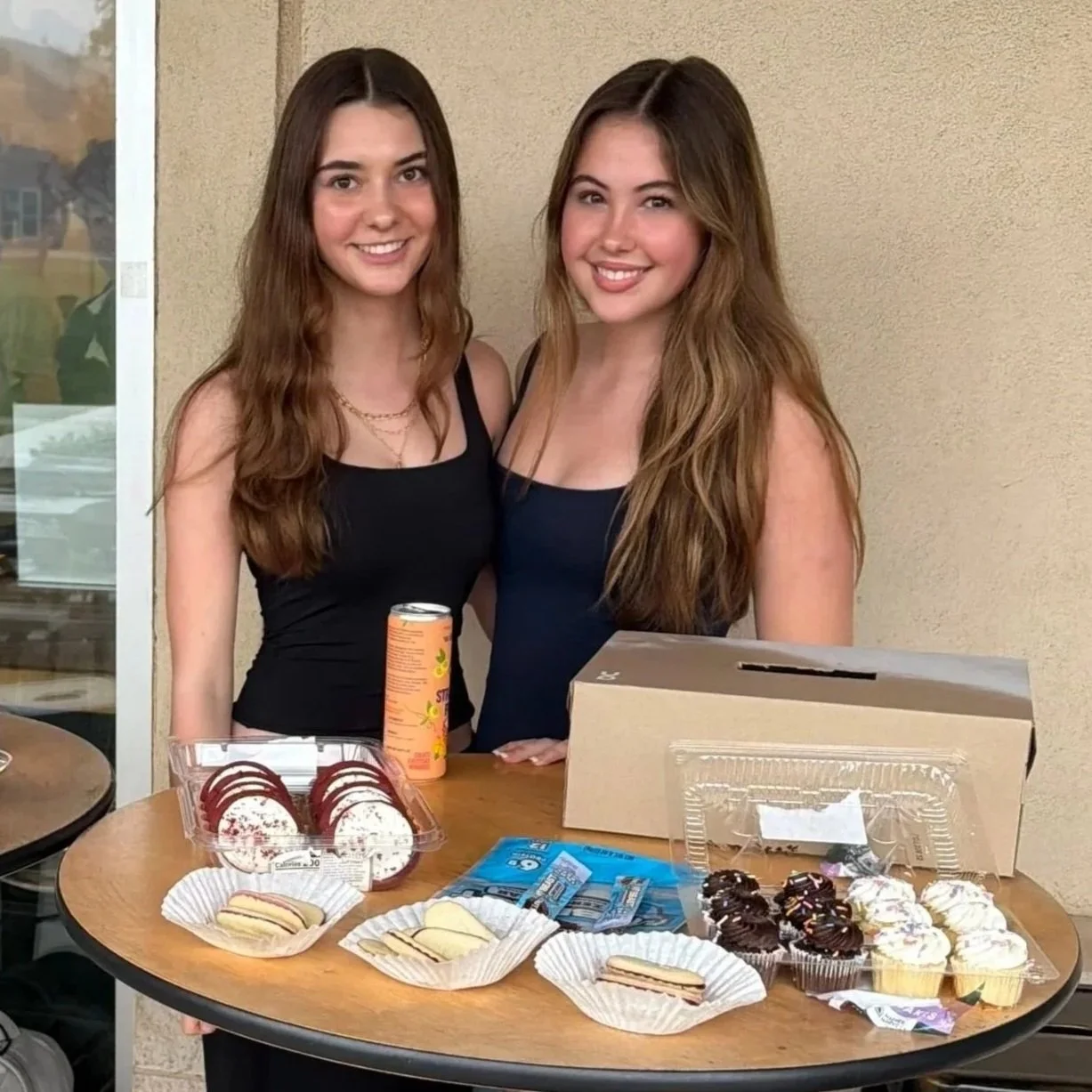
When Ainsley Peyton and Monroe Draker discovered they both have dyslexia, they didn’t just bond over it—they built something.
Ainsley Peyton and Monroe Draker both have dyslexia. Both grew up feeling a bit different—like no one around them really understood what it was like. When they met as freshmen at St. Andrew’s Episcopal School, they found something in each other that’s hard to find—someone who truly gets it.
As Ainsley puts it, “People who don’t have it don’t really know anything about it.” At their school—academic and supportive as it is—learning differences aren’t talked about the way either of them needed. Some students were even embarrassed to use their accommodations.
Rather than keep that connection to themselves, they decided to share it with their entire school.
Together, they founded MindWorks, a neurodivergent support club open to any student who wants to learn, connect, or simply feel less alone. And this year, they organized a week-long bake sale—brownies, cookies, donuts, and “all the things”—raising $750 as a matched total for the Dyslexia Center of Austin.
We sat down with these two sophomores to hear about MindWorks in their own words.
Question:
How did MindWorks get started?
Ainsley:
We met each other in high school, and one of the things we figured out pretty quickly was that we were both dyslexic. We talked about our journeys—what got us to where we are now—and we both wanted to share that with our school. So we decided to create a club.
Monroe:
We both had similar struggles. Spelling’s a huge one for me. We make fun of each other all the time—but we can relate. And we just saw other kids at our school. It’s very academic, and I feel like learning differences aren’t talked about as much as either of us wanted them to be. Our school is so encouraging and supportive, but we were saying specifically, we want to help people understand their unique abilities, and that it’s not a bad thing.
Ainsley:
People who don’t have a learning difference don’t really know anything about it. So I think it’s a great way to just tell everybody—this is what it is.
Question:
What does MindWorks actually look like?
Monroe:
We have club meetings during lunch or sometimes during school. It’s really open to anyone—anyone can come. We’ll talk about what’s going on and plan things like the bake sale. We do presentations to help members learn about different learning differences.
Ainsley:
Sometimes we bring treats to our meetings. It’s super fun.
Monroe:
We’re also trying to bring in a guest speaker. And I reached out to my old tutor who taught me Take Flight—just to say, “Hey, I’ve started this club. Any tips?” She wrote back, and we’re going to speak to the parents at Waldorf about our childhood experience. We both started early and had such a positive experience, and I think it’s important for parents to get their kids tested.
Question:
Tell us about the bake sale!
Monroe:
We baked quite a few things ourselves.
Ainsley:
A lot of brownies. Lots and lots of brownies.
Monroe:
Lots of brownies, lots of cookies. We bought some backups too—donuts, all the things. It was over a week-long period, just for our school, all classes.
Question:
Has MindWorks had an impact on your school?
Ainsley:
This is our first year, but it’s definitely made an impact. The bake sale, especially, a lot of people found out about our club, and it helped bring awareness. We want to continue next year and hopefully senior year too.
Monroe:
And then pass it on to underclassmen when we graduate. Before MindWorks, I think some people were embarrassed to use their accommodations, or go to the testing center, or ask for extra time. Now, every single test, I’ll go into the testing center. Our club sponsor, Ms. Judici, runs the Learning Differences program at our school, and we’ve built a really strong connection with her. We’re just spreading awareness that it’s okay to use your accommodations. It’s normal.
Question:
What advice would you give to students at other schools who might want to start something similar?
Ainsley:
That’s part of the reason we’re speaking at Waldorf—to bring awareness to a different school and hopefully inspire people to start a club there. I would love to reach out to other schools, too. My middle school, Trinity Episcopal School—that would be great. And other high schools.
Monroe:
There’s a lot of new research coming out about learning differences. They’re figuring out more and more each day. I think it will expand. And if we can help with that, then that’s what we’re doing.
Question:
Anything else you want people to know about MindWorks?
Monroe:
Just—creating a super inclusive community.
Ainsley:
For our school.
Monroe:
And hopefully outside of our school. We’re starting here, and just spreading awareness and creating a safe community.
Ainsley Peyton and Monroe Draker are sophomores at St. Andrew’s Episcopal School in Austin.
Their club, MindWorks, is open to all students interested in learning about and supporting neurodivergence. Their bake sale raised $750, which their parents then matched, for the Dyslexia Center of Austin.